
Real estate photography is a type of photography that involves capturing high-quality, visually compelling images of properties for marketing and sales purposes. These images showcase dynamic interiors, dramatic exteriors, and key architectural details, all designed to highlight a property’s most appealing features. By utilizing wide-angle shots, minimal distortion, and advanced camera settings such as aperture and ISO, real estate photographers ensure that every image delivers clarity, sharpness, and visual interest.
Whether showcasing a residential home, a commercial property, or a more specialized space like a farm or industrial site, professional real estate photography helps properties stand out in a competitive market. Real estate agents, realtors, and home sellers can leverage this type of photography to make listings more attractive to potential buyers.
Each type of real estate photography, whether residential, commercial, aerial, or 3D tours, focuses on highlighting the unique features of a property. Through techniques like staging, HDR photography, and careful composition, real estate photographers create clutter-free images that help drive engagement, speed up contract negotiations, and contribute to quicker sales. Aerial shots, captured with FAA-certified drone technology, further enhance this presentation by offering a unique “as seen from above” perspective, offering a comprehensive view that traditional photography simply cannot match.
Why Should You Use Professional Photography in Real Estate?
You should use professional real estate photography to enhance your property’s appeal, increase visibility, and ultimately drive faster sales. High-quality images are essential for making a strong first impression, as buyers are more likely to engage with listings that feature well-lit, dynamic photos. Properties with professional photographs sell for 32% more than those with amateur photos (VHT Studios), and since users spend more time viewing photos than reading descriptions, these images become a critical tool in capturing their attention and generating interest.
Key Benefits of Professional Real Estate Photography:
- Increase visibility by making your property stand out in a competitive market.
- Attract more potential buyers with stunning images that evoke emotion and desire.
- Sell faster by highlighting the property’s most appealing features and creating an inviting atmosphere.
- Enhance online engagement as high-quality images lead to more clicks and interactions.
- Showcase unique characteristics with specialized techniques like HDR photography, staging, and aerial shots.
- Build trust and credibility by presenting your property in the best possible light.
- Maximize your listing’s potential with captivating photos that inspire buyers to take action.
What Are the Different Types of Real Estate Photography?
The main types of real estate photography are residential, commercial, aerial, and 3D tours. Each type highlights key features of a property to attract the right buyers, from creating strong first impressions with residential and commercial shots to offering unique perspectives with aerial views and immersive experiences through 3D tours.
Residential Real Estate Photography
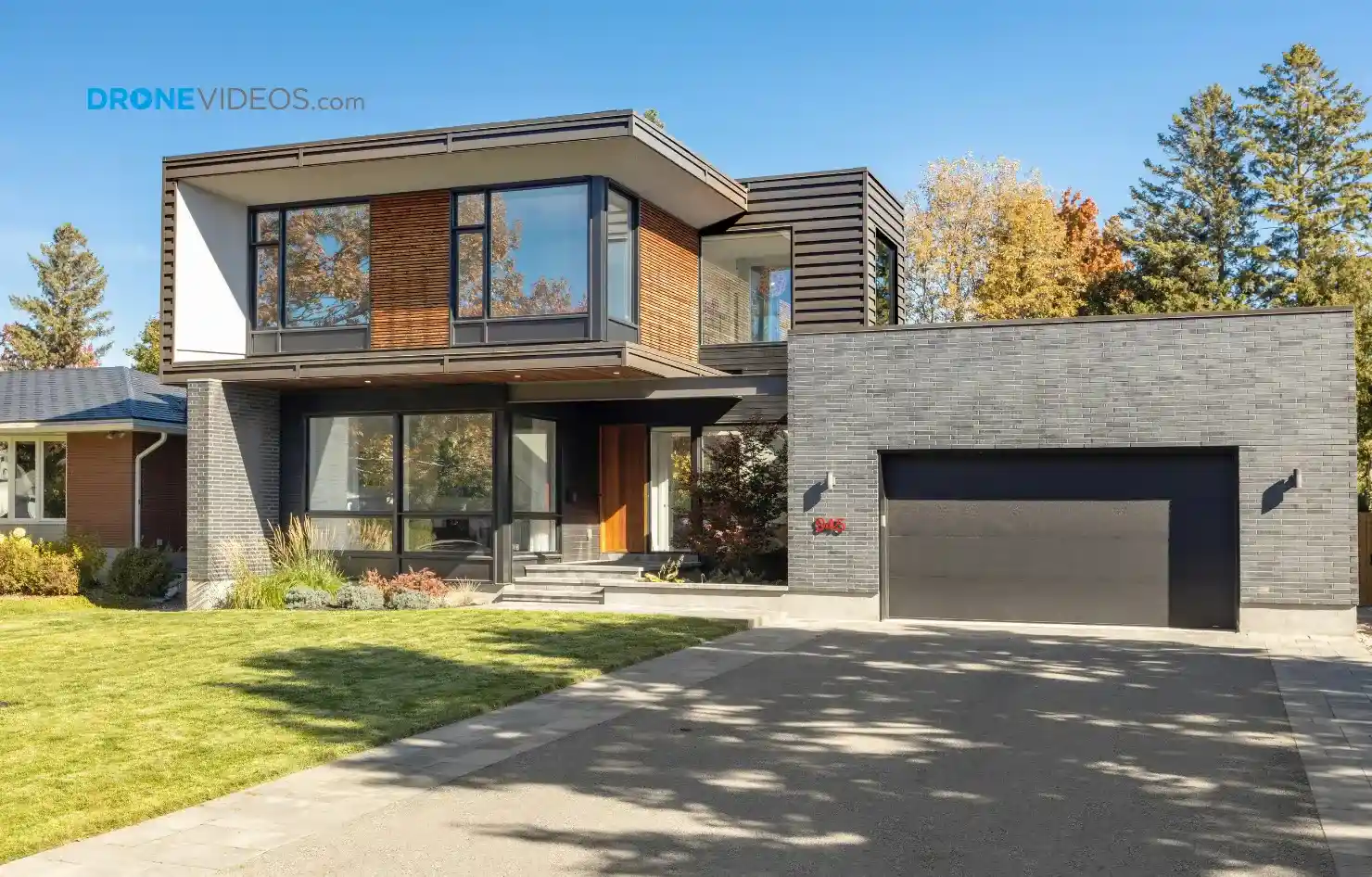
High-quality residential real estate photography helps realtors, property managers, and home sellers showcase key features such as interior layouts, architectural details, and design elements. This type of photography showcases the home’s best features, utilizing techniques such as composition, lighting, and staging to create a welcoming, clutter-free environment. By capturing rooms at their best, with the right angles and natural light, professional real estate photographers help potential buyers visualize themselves in the space. These images are essential for online listings, printed brochures, and social media, often speeding up the sale process by generating more interest and engagement.
Commercial Real Estate Photography
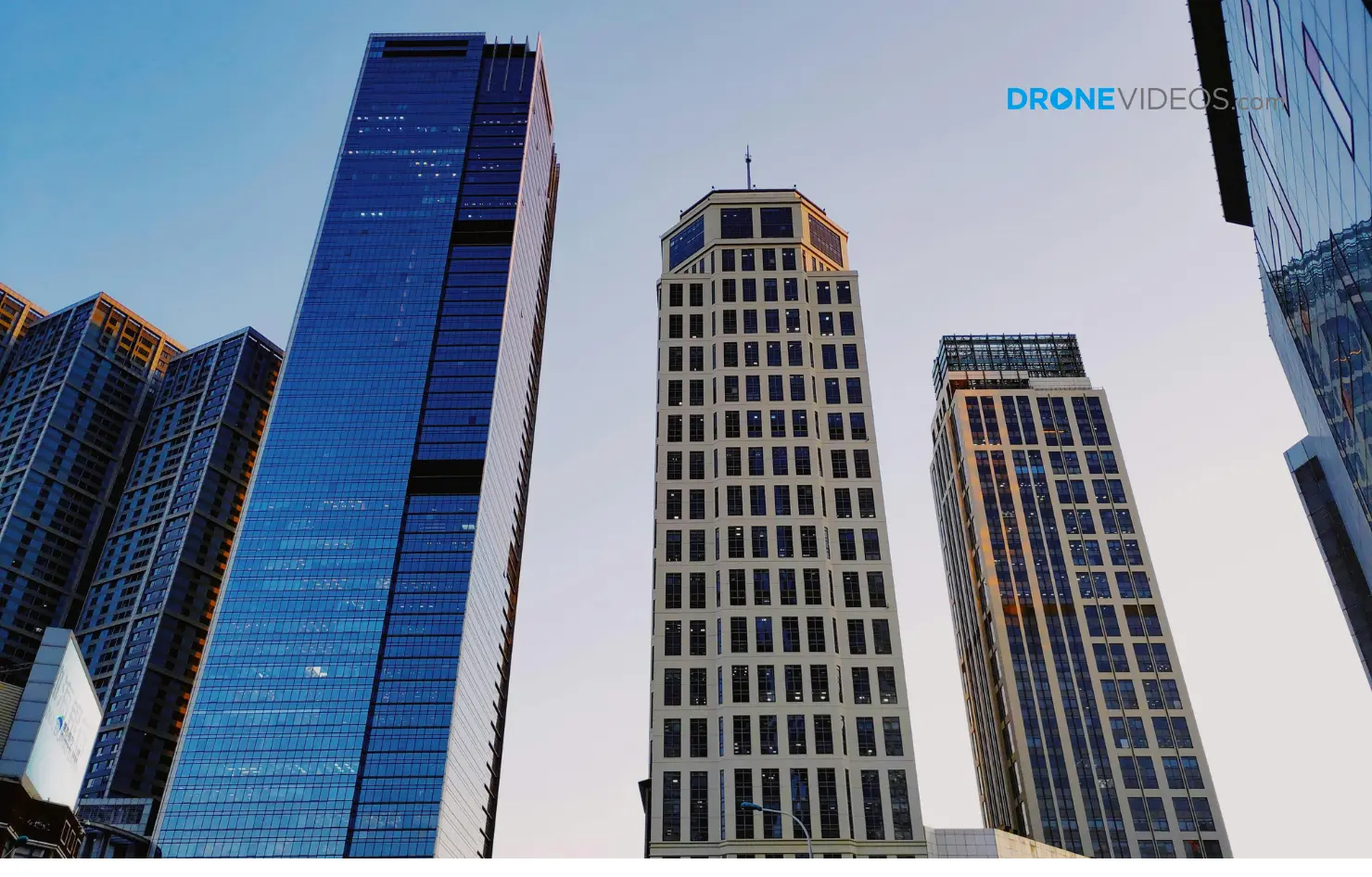
If you are marketing office buildings, retail spaces, or industrial properties, professional commercial real estate photography is essential for showcasing the space’s potential. These high-quality images capture the layout, design, and key features of the commercial property, helping to attract tenants, buyers, or investors. By utilizing wide-angle shots and strategic composition, commercial real estate photographers highlight both the exterior and interior to ensure office and retail spaces look professional and inviting. To appeal to potential buyers or investors, high-quality photos emphasize the property’s best features, creating a strong first impression in online listings, brochures, or investor presentations.
3D Virtual Tours in Real Estate
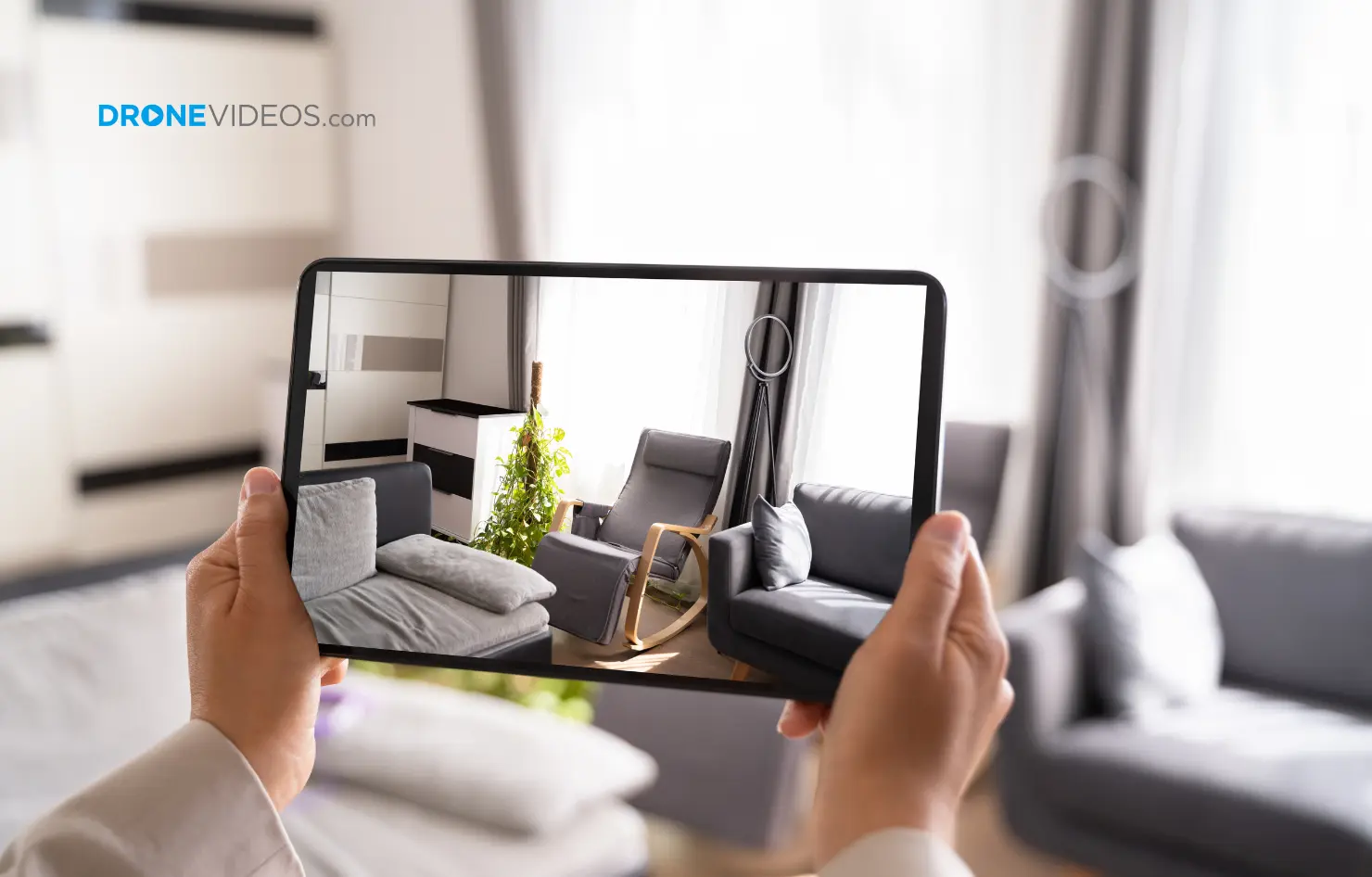
3D virtual tours are an innovative way to showcase real estate properties by allowing potential buyers to explore spaces remotely and interactively. These immersive tours include panoramic views of every room, with clickable hotspots that provide detailed information on key features like appliances, finishes, and layout. Buyers can navigate the space in a 360-degree view, simulating a walk-through experience without being physically present. Additionally, guided tours and dollhouse views give a clear perspective of the property’s dimensions, flow, and design. By offering an immersive experience, 3D virtual tours help engage buyers more deeply and can lead to faster decisions, especially for out-of-town buyers or investors who cannot visit in person.
Aerial Photography
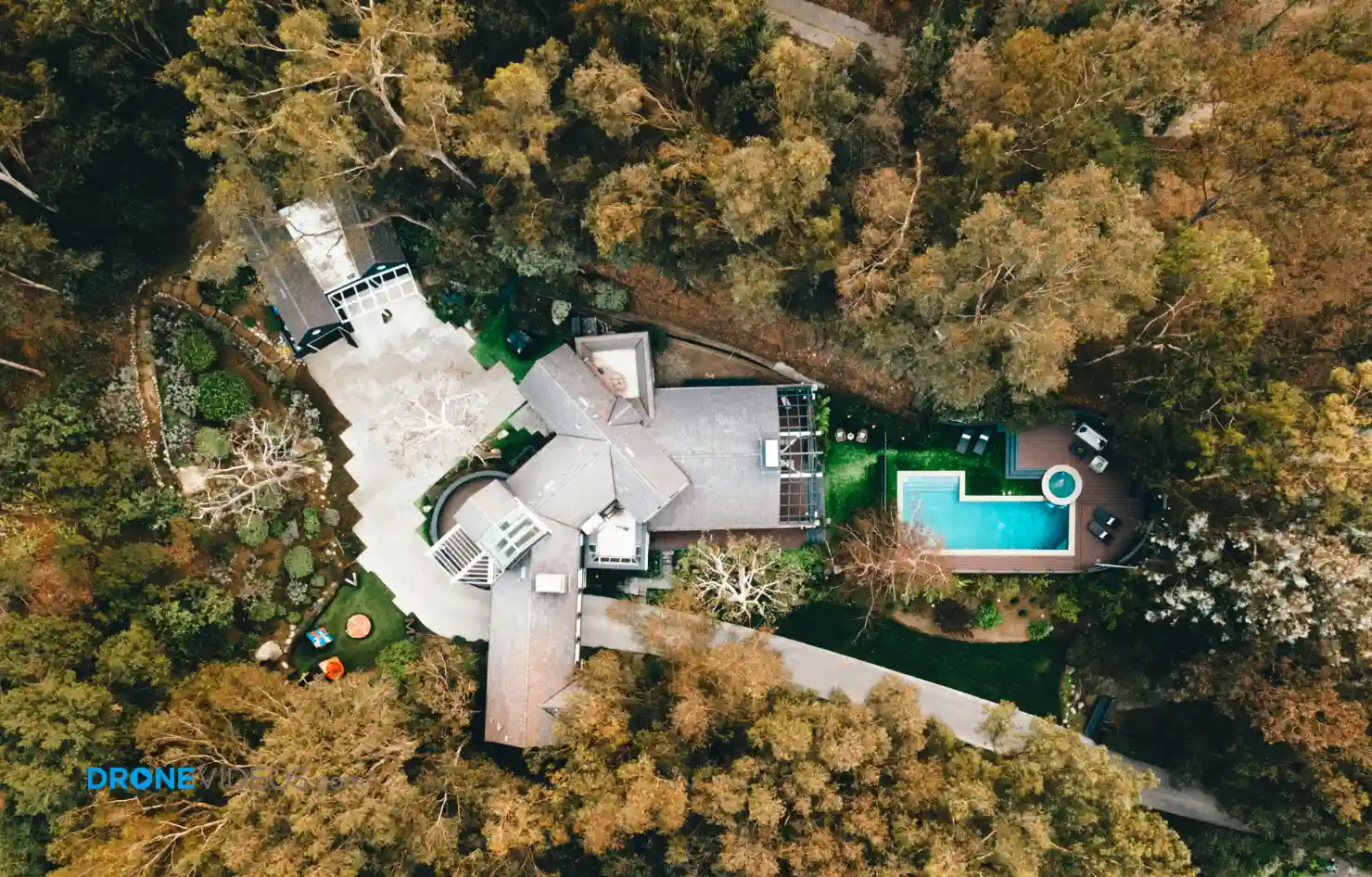
Using drones or other airborne technologies, aerial photography provides stunning overhead views of real estate properties that traditional ground-level photography cannot capture. This technique is especially valuable for showcasing large estates, commercial real estate, and properties with significant outdoor spaces, as it reveals the property’s full layout, landscaping, and surrounding area. Aerial images highlight features like expansive lawns, swimming pools, parking lots, and proximity to nearby amenities, giving buyers a clearer sense of the property’s scale and location. Aerial shots create a bird’s-eye view, giving buyers a better sense of the property’s scale and enhancing its visual appeal, making listings more engaging and helping them stand out in competitive markets.
Architectural Real Estate Photography
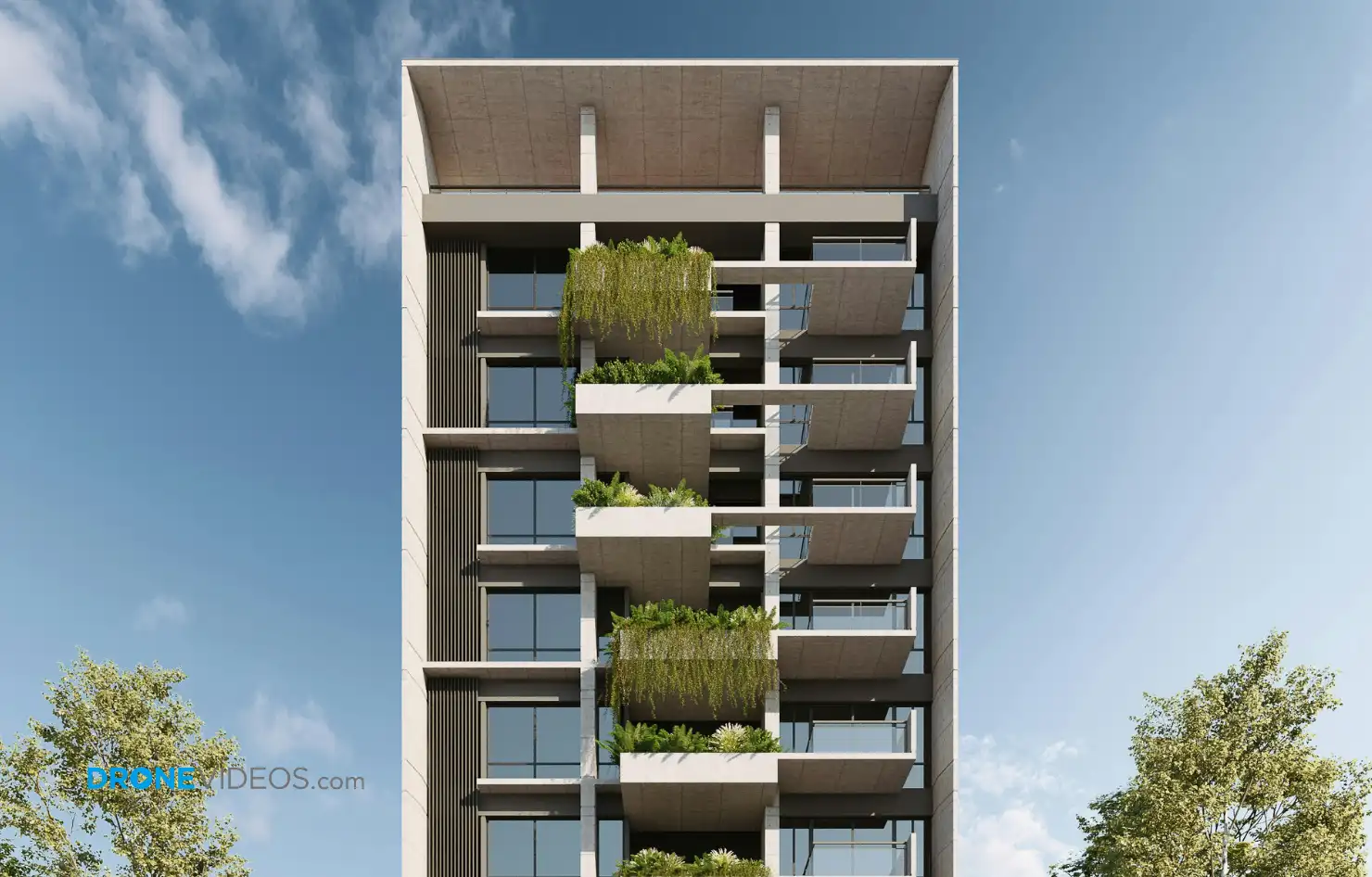
When showcasing properties with unique design elements, architectural real estate photography captures the essence of a building’s structure and artistry. By focusing on features like symmetry, lines, textures, and materials, this photography highlights the building’s architectural beauty and craftsmanship. Specialized techniques, including careful lighting, composition, and framing, are used to emphasize the most striking details of the property. Whether focusing on a modern commercial space or the intricate features of a historic home, architectural photography helps convey the property’s character and appeal. By showcasing the design and craftsmanship, this type of photography attracts buyers who value quality architecture and style.
What Is the Difference Between Architectural and Real Estate Photography?
| Aspect | Architectural Photography | Real Estate Photography |
| Focus | Design, structure, and artistry of a building | Showcasing a property’s appeal for sale/rent |
| Objective | Showcase the beauty, design, and artistic details | Attract potential buyers/renters by highlighting livability |
| Techniques | Composition, lighting, and design elements | Staging, lighting, and showcasing the space |
| Subjects | Buildings, design details, architectural elements | Residential homes, commercial properties, interiors, and exteriors |
| Purpose | To convey the design intent and artistic qualities of a building | To create visually appealing images to attract buyers or renters |
How Much Does Real Estate Photography Cost?
Real estate photography costs between $150 and $500 for residential properties, depending on property size, location, and the type of service requested. The cost of real estate photography varies based on the photographer’s experience, with newer photographers charging $110 to $170, and higher-skilled professionals charging $230 to $300 or more for high-quality images.
Pricing for Different Types of Real Estate Photography
- Residential Photography: $150 to $500
- Commercial Photography: $300 and $1,000
- Aerial Photography: $150 to $1,000+
- 3D Virtual Tours: $200 to $500
- Architectural Photography: $1,000 to $6,000+
Photography Packages
- Basic Package: $200 – $400
- 20-30 photos
- Basic interior and exterior shots
- Minimal post-production editing
- Standard Package: $300 – $600
- 30-50 photos
- Interior and exterior shots
- Aerial shots (optional)
- Basic editing and color correction
- Premium Package: $500 – $1,200+
- 50+ photos
- Full interior and exterior coverage
- Twilight and night shots
- Aerial shots or drone photography
- 3D virtual tour or floor plan
- Advanced editing, HDR photography, and enhanced post-production
What Tools Are Used in Real Estate Photography?
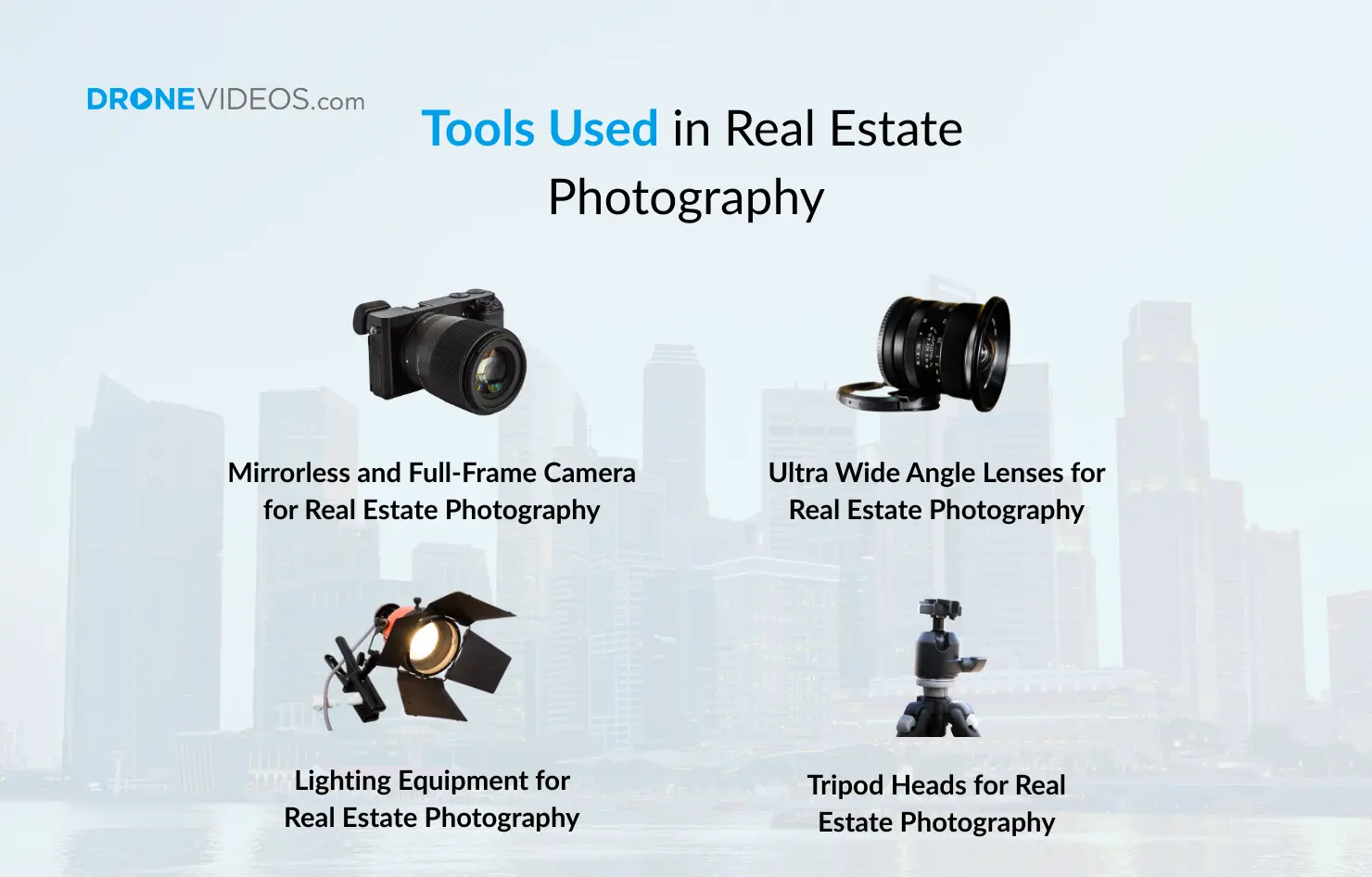
Real estate photography relies on tools like DSLR or mirrorless cameras, wide-angle lenses, tripods, and lighting equipment to capture high-quality images. These tools enable real estate photographers to achieve sharp, well-composed shots with proper exposure and minimal distortion, ensuring spaces appear spacious, bright, and inviting. Understanding how to choose and use the right real estate photography equipment is essential for producing visually compelling images that enhance a property’s appeal and attract more potential buyers.
- Mirrorless and Full-Frame Camera for Real Estate Photography
For capturing high-quality images, mirrorless and full-frame cameras are the top choice for real estate photographers due to their excellent resolution and low-light capabilities. These cameras ensure sharp, vibrant images, making every detail of a property stand out in listings.
- Ultra Wide Angle Lenses for Real Estate Photography
To capture expansive rooms and small spaces, ultra-wide-angle lenses are crucial to show the full scope of a real estate property’s layout. These lenses make rooms appear larger and more inviting, which is key for engaging potential buyers.
- Lighting Equipment for Real Estate Photography
Achieving well-lit, appealing photos requires lighting equipment like flash units and softboxes. Good lighting ensures that real estate spaces appear bright and welcoming, improving the overall appeal and increasing interest from buyers.
- Tripod Heads for Real Estate Photography
For steady, precise shots, tripod heads like ball heads and pan-tilt heads are essential. They ensure sharp, stable images, especially in low light or for complex shots, resulting in professional-quality photos that highlight a real estate property’s best features.
What Are the Best Tips for Real Estate Photography?
To capture great real estate photos, shoot during the golden hour, declutter spaces, use a tripod for stability, highlight key features, and adjust exposure for bright, balanced images. These techniques help create visually compelling images that highlight the property’s best features, attract more buyers, and speed up the selling process.
Best Tips for Real Estate Photography:
- Shoot during the golden hour for natural, flattering light.
- Declutter spaces to create a clean, inviting atmosphere.
- Use a tripod to ensure steady, sharp images.
- Highlight the best features by focusing on key areas like kitchens and living rooms.
- Capture both wide shots and close-ups to showcase the entire space and its details.
- Adjust the exposure to ensure rooms look bright and balanced.
How to Build a Career in Real Estate Photography?
To build a career in real estate photography, focus on mastering camera skills, creating a strong portfolio, and networking with real estate agents to gain clients. As you work through these early steps, understanding how to become a real estate photographer helps you identify the technical abilities, equipment choices, and workflow habits that support consistent results. This foundation then makes it easier to expand into services such as aerial images or 3D tours and to refine your methods, so you stay competitive in the market.
Training and Certifications Required for Real Estate Photographers
To succeed in real estate photography, it is important to gain technical knowledge through courses and certifications. While formal education is not required, online courses, workshops, and certifications help enhance your skills and build credibility. Here are some key options:
- Online Photography Courses (e.g., Udemy, Skillshare): Learn essential techniques like camera settings and composition.
- Workshops and Mentorship (e.g., PPA workshops): Gain hands-on experience with industry professionals.
- Professional Certifications (e.g., PPA Certification): Enhance credibility and gain industry recognition.
- Specialized Training (e.g., Drone Pilot Certification by FAA): Expand your skillset to include drone and aerial photography.
How Much Do Real Estate Photographers Earn?
Real estate photographers earn between $30,208 and $236,637 annually. As per Indeed, the average yearly income of real estate photographers is $84,548.
The hourly earnings of real estate photographers range from $15.10 to $118, with an average pay of $42.27 per hour.
Newer photographers usually earn $110 to $170 per shoot, while experienced photographers in high-demand areas can charge $230 to $300 or more, especially for large properties or additional services like aerial photography or 3D tours. Earnings can also vary based on whether the photographer works freelance or partners with real estate agencies.
Emerging Trends in Real Estate Photography
Real estate photography is rapidly evolving with new technologies that provide more immersive and efficient ways to showcase properties. Emerging trends such as drone photography, AI editing, and interactive 3D virtual tours are enhancing the way properties are marketed, helping realtors engage potential buyers with high-quality, interactive experiences. Here are some of the key trends transforming the industry:
- Drone Photography: Aerial shots captured by drones provide stunning, high-angle views of properties, especially large estates or commercial spaces. These perspectives highlight the full scope of a property and its surroundings, making it easier for buyers to understand its size and location.
- AI Editing and Automation in Real Estate Photography: AI-powered editing tools, like Adobe Sensei, automate photo enhancements, improving lighting, color correction, and sharpness. This speeds up post-production, allowing photographers to deliver high-quality images faster and maintain consistency across listings.
- Interactive 3D Virtual Tours in Real Estate: 3D virtual tours allow buyers to explore properties from the comfort of their own homes, offering an immersive experience of the layout and flow. This trend engages potential buyers and allows them to interact with the property from anywhere, saving time and increasing interest.
- Virtual Staging and Augmented Reality (AR) in Real Estate Photography: Virtual staging digitally furnishes empty properties, while AR lets buyers visualize changes to the space. These technologies reduce staging costs and help buyers better imagine the potential of a property.
- 360° Virtual Tours in Real Estate: 360° virtual tours capture full panoramic views of a property, allowing buyers to move through the space as if they were there. These tours provide a comprehensive, engaging way for buyers to explore every room, offering a deeper connection to the property without needing to physically visit.
Short-form Vertical Video for Social Media: Short-form vertical video is designed specifically for platforms like Instagram and TikTok, offering quick, engaging walkthroughs of properties in a bite-sized format. These videos capture attention quickly, making it easier to showcase key features in a format that resonates with a mobile audience.